


Product Filter
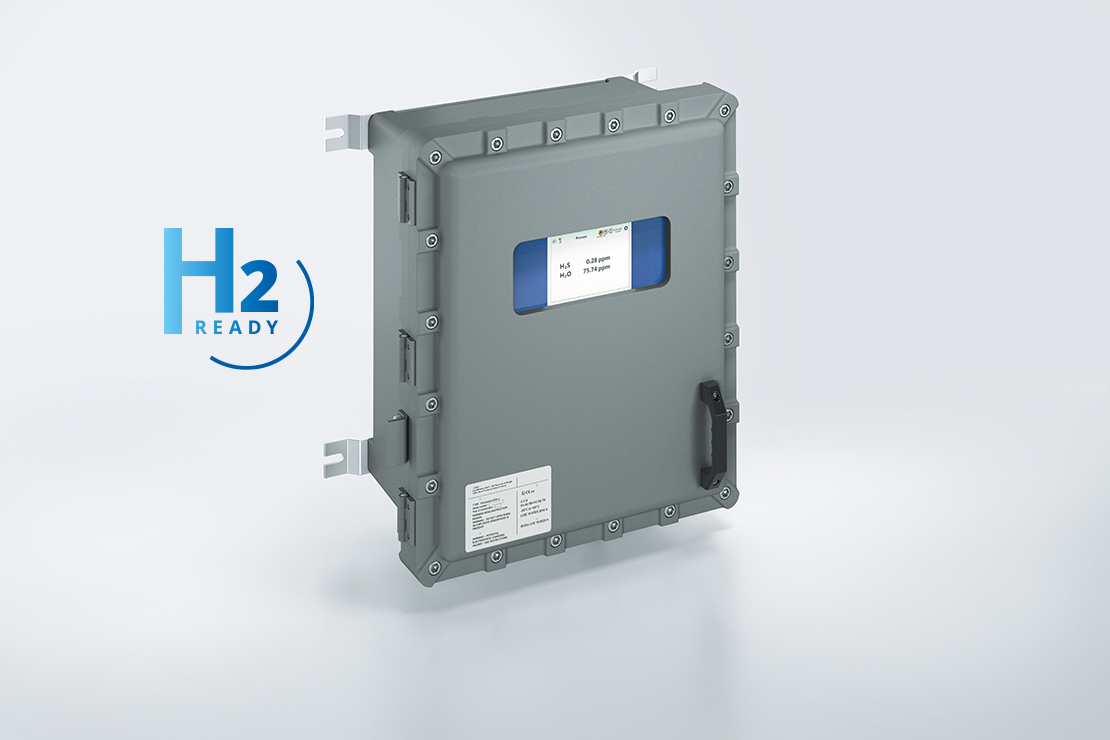
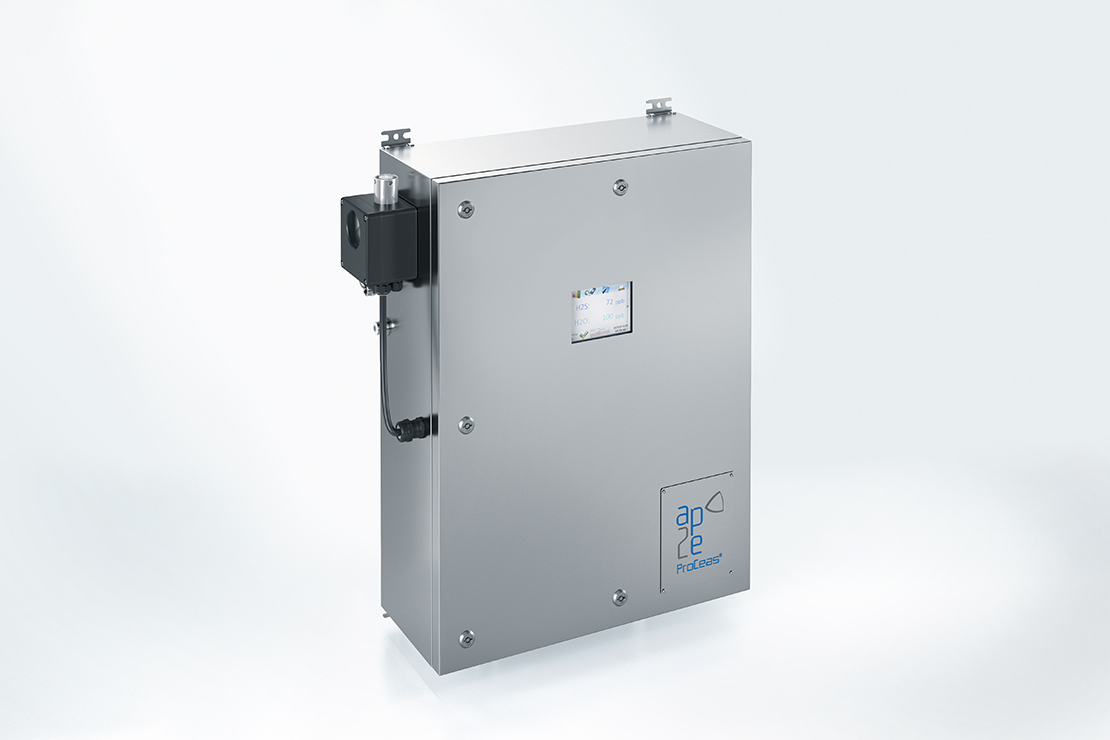
ProCeas
Laser infrared multigas spectrometer
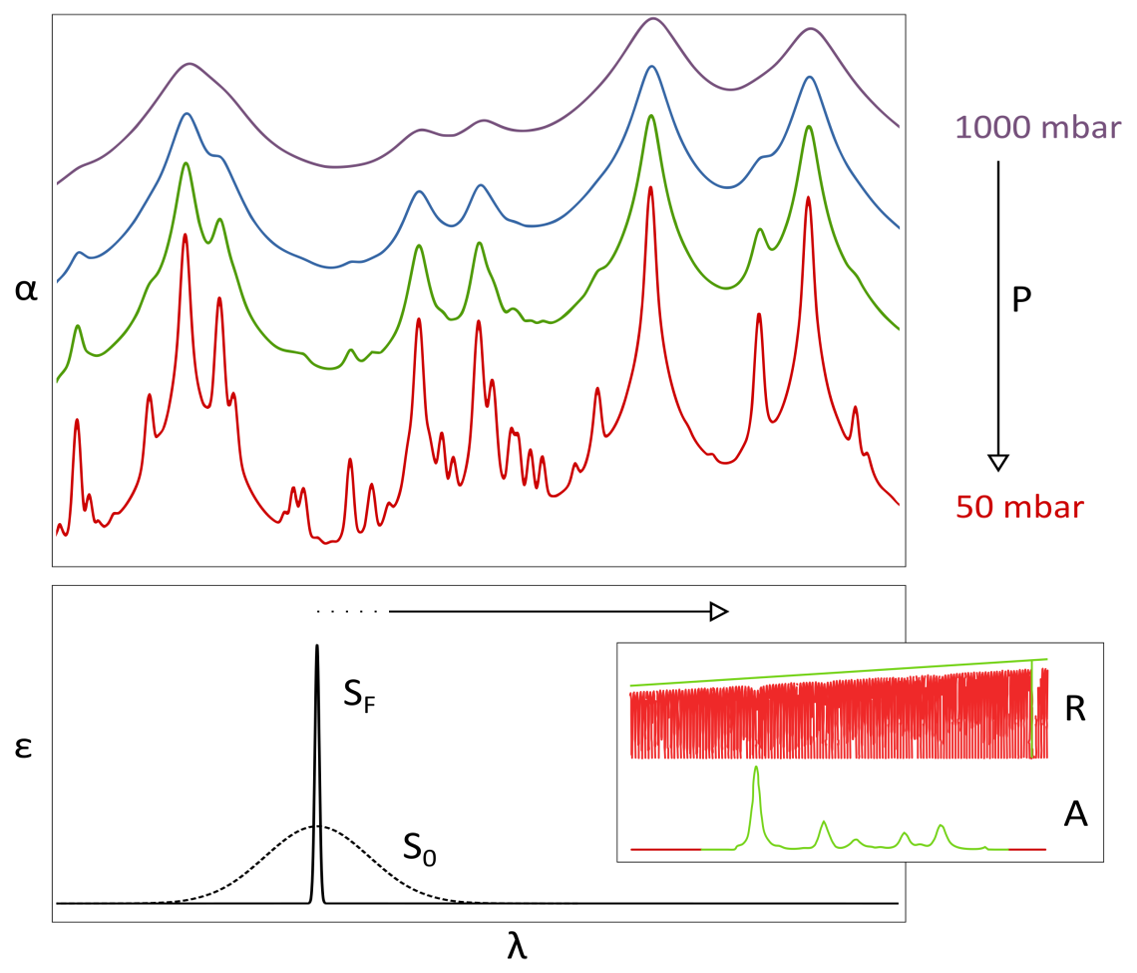
The ProCeas® is a turnkey multigas analyzer engineered for real-time measurement of trace-level gaseous contaminants in various applications. Utilizing patented OFCEAS® and LPS® technologies, it delivers interference-free, highly accurate measurements across diverse gas matrices. Its low-pressure sampling design eliminates the need for sample heating or drying and therefore potential gas contaminant losses, and considerably reduces installation and maintenance costs.
Technology: Optical Feedback Cavity Enhanced Absorption Spectroscopy (OFCEAS) and Low Pressure Sampling (LPS)

Benefits
- Tailored for your application
Multi-gas measurements at trace-level concentrations, with customizable gas combinations - Long-lasting accuracy
On-line or off-line measurement, with no need for re-calibration or sensor replacement - Reduced operational costs and complexity
Multi-point measurement possible, no zero gas or carrier gases required, easy to use with low maintenance - Improved efficiency
Real-time monitoring and detection of contaminants enables quick corrective actions, reducing downtime and optimizing processes - Helps protecting infrastructure
Identifies contaminants in real-time enabling process adjustments that reduces maintenance for carbon beds, pipelines, turbines, etc. - Cost savings
Preventing corrosion reduces maintenance costs and extends the infrastructure lifespan - Consistent product quality
Ensures gas purity at every step, making ProCeas® the trusted choice for critical gas analysis in the energy sector. - Environmental and safety assurance
Guarantees gas stream purity to prevent gas leaks and explosion risks from impurity-driven corrosion, improves CO₂ injection efficiency in Carbon Capture and Storage (CCS), and protects storage integrity.
COMPLIANCE & CERTIFICATIONS
Measurement compliance
- Northern Lights specifications (latest edition)
- ISO 14687 standards for fuel cell mobility (PEM)
- ISO 19880 for maintaining hydrogen quality at distribution facilities and fueling stations
- ISO 21087 - Analytical methods for hydrogen fuel
- ISO 2612:2023 for NH₃ measurement (biomethane and natural gas)
- CO₂ purity standards for food and beverage industry, etc.
Certifications
- Certified for hazardous areas: ATEX zone 1 and 2, IECEx/ UKEX zone 1, Class I, Division 1, Groups B, C, D T6 - for LNG/NG applications
- Certified for hazardous areas: ATEX zone 1 and 2, IECEX/UKEX zone1, Class 1 Div 2 (ongoing) - for RNG/biogas applications
Applications
- Carbon Capture, Utilization, and Storage (CCUS)
Real-time analysis of CO₂ contaminants, detecting impurities like H₂O, O₂, SO₂, NOx, H₂S, CO, CO₂ NH₃, CH₄, and CH₂O to prevent gas leaks and explosion risks from impurity-driven corrosion, improves CO₂ injection efficiency, and protects storage integrity. Read more: https://www.durag.com/en/trace-gas-analysis-for-co2-purity-control-5500.htm - Hydrogen purity
Detection of critical contaminants HCl, H₂O, H₂S, HCOOH, CH₂O, NH₃, etc. in hydrogen streams ensuring compliance with ISO 14687 standards for fuel cell mobility (PEM) and ISO 19880 for maintaining hydrogen quality at distribution facilities and fueling stations (hydrogen Grade D). - Hydrogen production and electrolyzer plants
Online monitoring impurities such as H₂O, O₂, NH₃, and others in hydrogen produced via electrolysis or steam methane reforming (SMR), ensuring gas stream compliance and protecting downstream applications like turbines or fuel cells. - Fuel cell system monitoring
Measurement of gas purity for both H₂ and air streams in PEM or SOFC systems, preventing catalyst poisoning and ensuring optimal performance for both stationary and mobile fuel cell applications. - Ammonia cracking for hydrogen generation
Detection of NH₃, H₂O, N₂, and NOx in the output of ammonia crackers, verifying conversion efficiency and ensuring purity of hydrogen streams used for mobility or stationary fuel cell applications. - Natural Gas (NG) and Liquefied Natural Gas (LNG)
Monitoring H₂S, CO₂, or H₂O contaminants to ensure product quality and compliance with gas quality standards and protect infrastructure to reduce maintenance costs for carbon beds, pipelines, turbines, etc. - Renewable Natural Gas (RNG) and biogas
Continuous measurement of NH₃, CH₄, H₂O, H₂S, CO₂, and O₂ in applications such as landfill gas or biogas upgrading, biomethane purification, biomethane to grid, etc. - Chemical and petrochemical industries
Monitoring trace contaminants in various gas streams to protect infrastructure and ensure product quality. - Chlorine plants
Analysis of HCl traces for vinyl chloride monomer (VCM) production. - Propylene production
Detection of impurities affecting process efficiency and product quality. - Synthetic fuels and Power-to-X (P2X) Processes
Continuous monitoring of trace components like CO, CH₄, H₂O, NH₃, and CO₂ in syngas or methanation processes to optimize synthetic fuel production and ensure downstream equipment protection. - Fertilizer and urea production
Real-time measurement of NH₃, H₂O, and other relevant compounds in production streams to ensure process efficiency, product quality, and safe operation in ammonia and urea plants. - Cryogenic Air Separation Units (ASU)
Detection of trace impurities such as CO, CO₂, and H₂O in oxygen, nitrogen, and argon streams prior to liquefaction or delivery, ensuring quality and preventing contamination of cryogenic equipment. - Pipeline network monitoring
Identification of trace-level spikes in impurities such as H₂O, H₂S, or NH₃ in pipeline networks to detect leaks, prevent cross-contamination, and maintain gas quality standards. - Research and science
Organizations specializing in studying impurity-driven corrosion, contamination effects, etc. - National metrological laboratories
Used for high-precision trace gas measurements in inter-laboratory comparison studies, calibration of reference gas standards, and development of measurement methodologies to support national and international regulations.
Technical Data
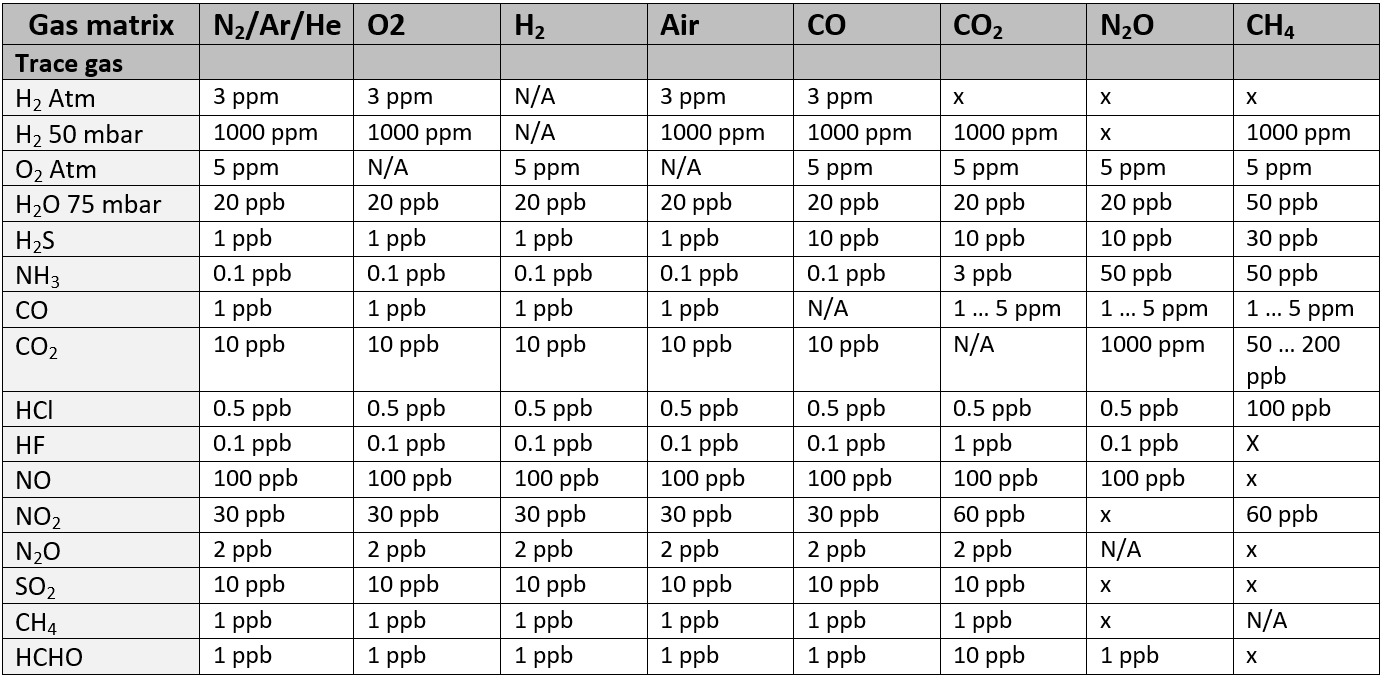
- Applicable gases* for ProCeas®
- Performances
- Technical data
| Diatomic | H2, O2 |
|---|---|
| Nitrogen | NH3, NO, N2O, NO2, HCN |
| Sulfur | H2S, COS, CS2, SO2 |
| Oxides | CO2, H2O, CO |
| Halogenides | HF, HBr, HCl |
| Aldehydes | HCHO |
| Hydrocarbons | CH4, C2H2, C2H4, C2H6 |
| Acid | HCOOH |
* Other ranges/compounds on request
| Linearity | < 1% of reading, R2 > 0.999 |
|---|---|
| Repeatability | 3 x LoD or ± 0,5 % relative |
| LoD | 3σ over a period of 60 s, σ: Standard deviation |
| Drift zero/span | Negligible |
| Power supply | 110 … 230 VAC, 50 … 60 Hz |
|---|---|
| Power consumption | 150 VA max, 80 VA stabilized (per rack / wall mounted configuration) |
| Ambient conditions | Rack version: +10 … +35°C / +50 ... +95°F Wall mounted: up to -10 … +60°C / +14 ... +140°FHumidity: 10 … 90% RH, non-condensing |
| Instrument air supply (for Ex p version) | Dust free, oil free, dry, at ambient temperature, 5 … 7 bar gauge pressure at max. 5.5 m³/h, quality 1-2-1 according to ISO 8573 |
| Housing | Wall-mounted: Stainless steel enclosure, dimensions 800x600x250mm (without purge controller). Other on request19'' 4U rack for benchtop use or cabinet integration |
| Protection rating | IP 32 for the rack versionIP 65 for wall mounted versions (excepting Ex d version - IP 66) |
| Communication interfaces | USB portsModbus TCP/IP, RS232, RS485 (RJ45), VGARemote access via EthernetAnalog I/O optional |
Accessories
- Mandatory
- Optional
| Probe (filter and sonic nozzle) |
| Sampling line |
| Pumping system |
| Integration in cabinet ATEX II3G Ex pxb IIC T3 Gb |
| Air conditioning system |
| Ex p (ATEX II 2G Ex pxb IIC T3 Gb) |
| Ex D [ATEX: II2G (Ex db IIB+H2 T6 Gb), IECEx: (Ex db IIB+H2 T6 Gb)] |
| Vortex cooling |
| Analog/Digital I/Os |
| Modem for remote connexion |
Downloads
Product Information
- Technical datasheet ProCeas, CO2 contaminants / EN
- Technical datasheet ProCeas, RNG & biogas contaminants / EN
- Technical datasheet ProCeas, RNG & biogas contaminants / EN-US
- Technical datasheet ProCeas, RNG & biogas contaminants / DE
- Technical datasheet ProCeas, NG & LNG contaminants / EN
- Technical datasheet ProCeas, H2 purity / EN
- Infochart hydrogen / EN
- Infochart hydrogen / DE
- Infochart hydrogen / FR
- Industry brochure waste incineration / EN